
Aluminum vs Steel in Large Assemblies
Posted on: February 25, 2026
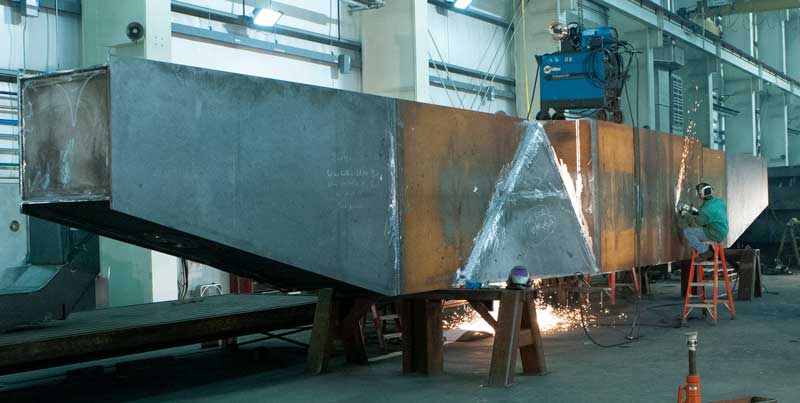
Material Selection at Scale
Heavy fabrication is often associated with carbon steel. However, large-scale aluminum assemblies introduce a different set of engineering considerations.
At Weldall, aluminum aerial structures for fire apparatus illustrate how material choice drives fabrication strategy.
Structural Differences
Steel offers high strength and durability, making it ideal for mining and structural applications. Aluminum, while lighter, requires careful attention to heat control and distortion management.
In large assemblies, aluminum presents challenges including:
-
Higher thermal expansion rates
-
Lower melting temperature
-
Increased sensitivity to heat input
-
Different weld procedure requirements
Fabricating large aluminum structures demands experienced welders and controlled environments to prevent warping and maintain alignment.
Weight, Strength, and Application
For fire apparatus and aerial equipment, weight reduction directly impacts vehicle stability and performance. Aluminum allows for strength-to-weight optimization, provided fabrication controls are precise.
The ability to handle both large steel weldments and substantial aluminum assemblies within the same facility reflects diversified expertise. Each material behaves differently under load and heat. Managing both at scale requires disciplined process control.
Material flexibility expands the range of industries a heavy fabrication partner can support.