
Infrastructure & Material Handling at Scale
Posted on: February 25, 2026
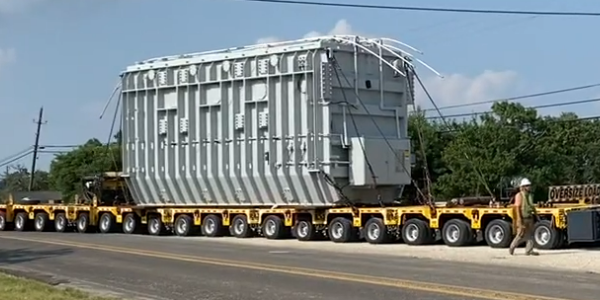
Why Scale Starts With Movement
In heavy fabrication, material handling is not a support function. It is production infrastructure.
When weldments weigh tens of thousands of pounds and span multiple bays, the ability to safely lift, rotate, and reposition components becomes a determining factor in quality, throughput, and risk management. Facilities that treat cranes as optional tools quickly encounter bottlenecks. Facilities designed around crane capacity operate differently.
At Weldall, each fabrication bay is equipped with overhead crane systems engineered for continuous use. These cranes are not isolated assets. They are integrated into workflow design.
Overhead Cranes as Structural Systems
In smaller shops, components move via forklifts and temporary rigging solutions. At scale, that approach breaks down. Large weldments require controlled movement during fit-up, welding, stress relief, and machining transitions.
Overhead cranes allow operators to:
-
Rotate assemblies to optimal weld positions
-
Maintain consistent welding orientation
-
Reduce manual handling risk
-
Move large structures between process stages without re-rigging
This consistency reduces distortion variables and improves weld quality. It also protects timelines by preventing delays caused by inadequate lifting capacity.
Workflow Efficiency and Safety
Heavy fabrication facilities must balance productivity with safety. Properly designed crane-supported bays reduce floor congestion and eliminate the need for improvised handling solutions. This improves both operator safety and production flow.
When infrastructure is built for scale, projects move through the facility with fewer interruptions. That operational stability is often invisible to customers, but it directly influences delivery performance and structural quality.
In heavy fabrication, infrastructure is not background. It is the foundation of capability.